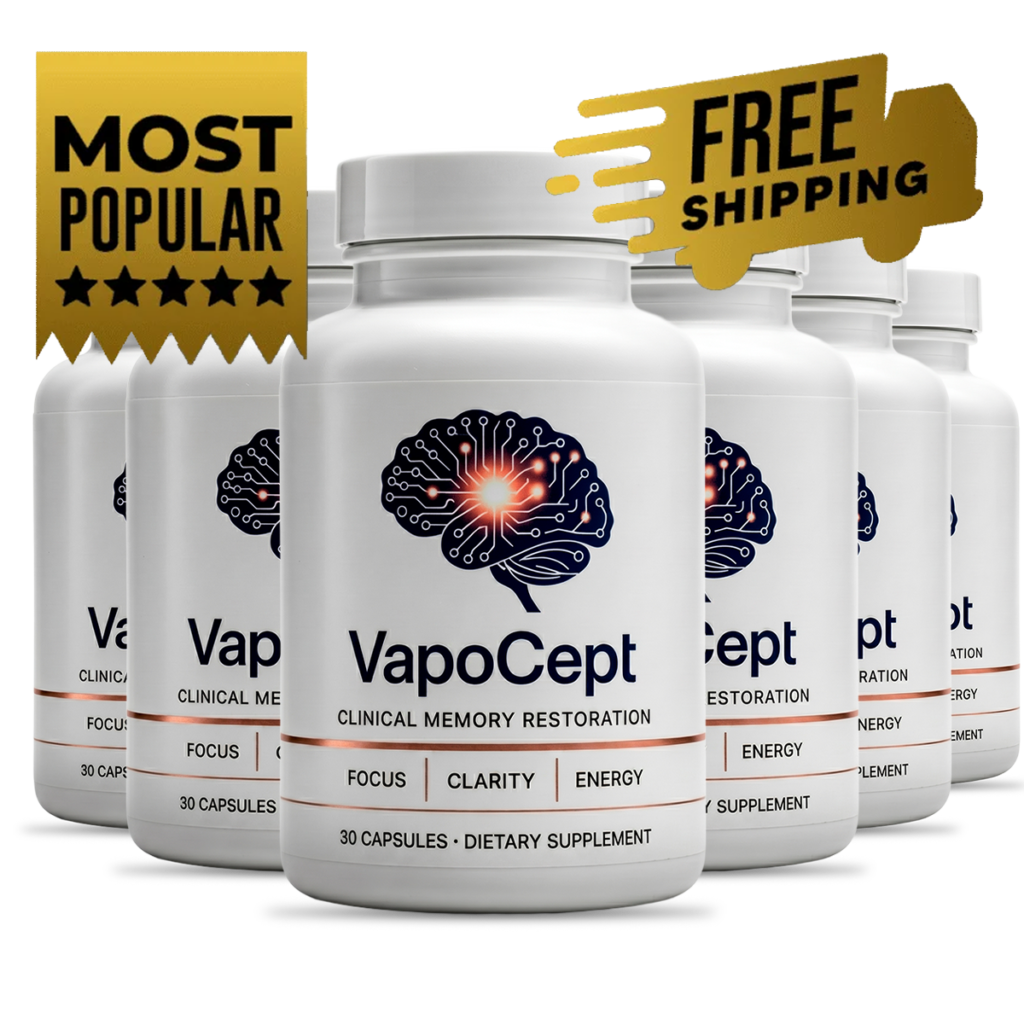
When A Formula Doesn’t Match Its Name: A VapoCept Case Study
A supplement's name and marketing copy don't always match its ingredient profile. VapoCept, marketed as “Clinical Memory Restoration,” is a clear example worth understanding.
Here's how to check for this gap yourself before buying any cognitive-support product.
What a targeted memory formula usually looks like
Formulas genuinely built around memory support typically feature ingredients like Bacopa Monnieri (memory recall), Ginkgo Biloba (cerebral circulation with cognitive research specifically), Lion's Mane (nerve growth factor), Alpha-GPC or Huperzine A (acetylcholine pathway), or antioxidants like CoQ10 and Alpha Lipoic Acid.
What VapoCept's label actually contains
Why this happens
Ingredients like L-Arginine and L-Citrulline are inexpensive, well-tolerated, and can be marketed under a general “supports blood flow, which supports brain function” framing. This isn't necessarily dishonest, but it's a much looser connection to memory than a name like “Clinical Memory Restoration” implies.
How to check this yourself
Look up each ingredient on the Supplement Facts panel. If a “brain” or “memory” product's list is dominated by circulation, energy, or stamina compounds rather than ingredients with direct cognitive-research backing, treat the marketing name with appropriate skepticism.
Our bottom line on VapoCept
The formula isn't harmful or without any general-wellness merit, but the name oversells what the ingredient list actually targets. See the full discussion on our ingredients page.